Subjects
-
Cryptography Explained
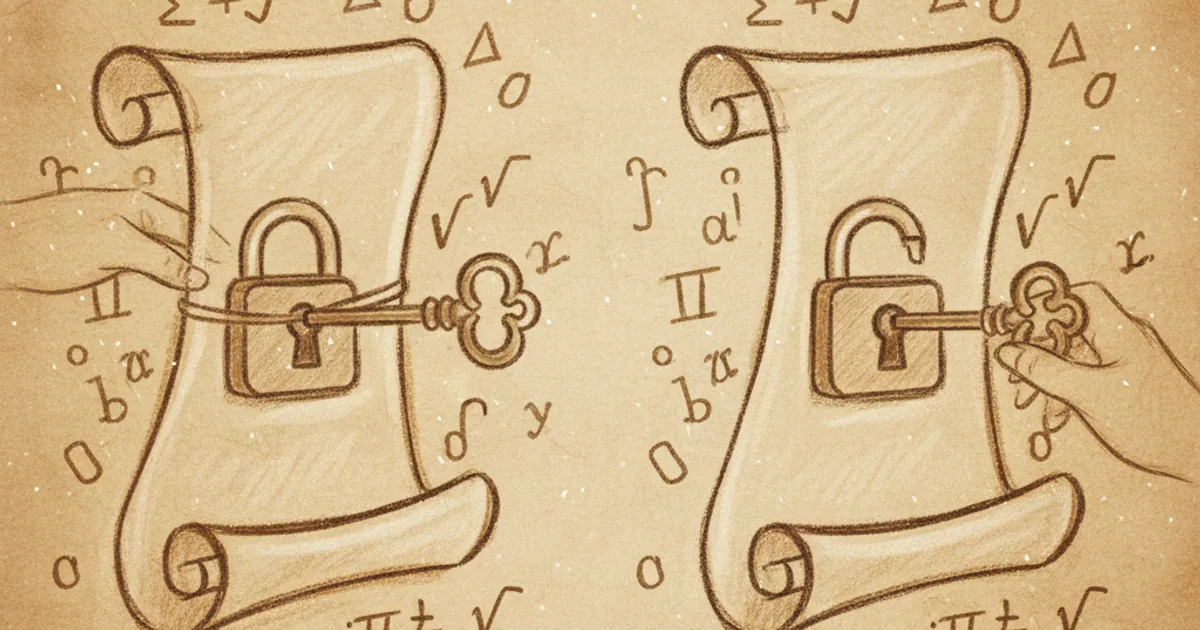
How the math nobody teaches you protects your bank, your messages, and every website you visit. Symmetric vs asymmetric keys, hashing, the RSA idea in plain English, and what actually happens when your browser shows a padlock.
Take me to the Cryptography Explained hubSelected articles
-
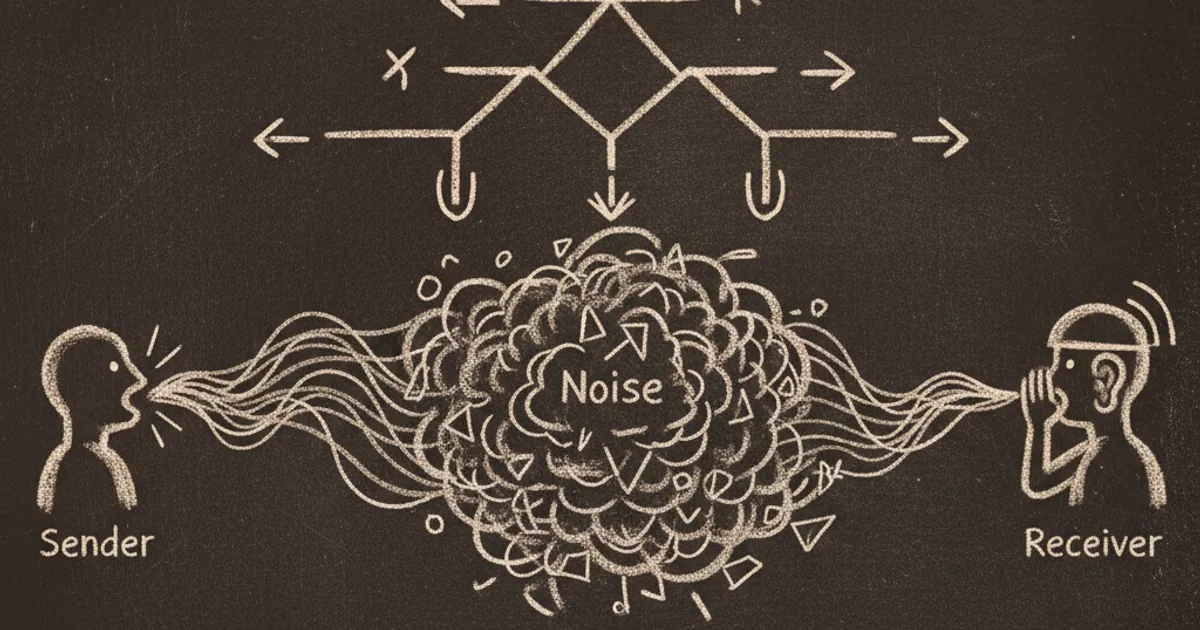
Information & Bits
Information is a physical quantity — measured in bits, limited by noise, and squeezed by compression. Shannon's insight, why lossless compression has a floor, how error correction survives a scratched CD, and why every communication channel has a speed limit.
Take me to the Information & Bits hubSelected articles
-

Thermodynamics, the Easy Way
Heat, entropy, and energy explained without the math — just intuition you can actually feel.
Take me to the Thermodynamics, the Easy Way hub -

Quantum Without the Headache
Superposition, entanglement, and the double-slit — the bits that actually matter, with the equations parked at the door.
Take me to the Quantum Without the Headache hub -
Relativity for Humans
Einstein's two big ideas in plain English — why time bends, why mass is energy, and why gravity isn't really a force.
Take me to the Relativity for Humans hub -

Brain Basics
What we actually know about learning, attention, and behaviour — the science, without the self-help.
Take me to the Brain Basics hubSelected articles
-
Biology's Hidden Machines
Cells, DNA, immune cells — your body is full of tiny machines running on rules clearer than you'd think.
Take me to the Biology's Hidden Machines hubSelected articles
- How Cells Actually Work — Tiny Machines Running Everything
- How DNA Copies Itself — The Most Important Molecular Machine
- How the Immune System Learns — A Living Library of Threats
- Mitochondria Were Once Bacteria — The Strangest Idea in Biology That Turned Out True
- What CRISPR Actually Does — Bacterial Defence Made Into a Tool
-

Numbers That Fool Intuition
Probability and statistics break our common sense in predictable ways — and once you see how, you can stop being fooled.
Take me to the Numbers That Fool Intuition hubSelected articles
-
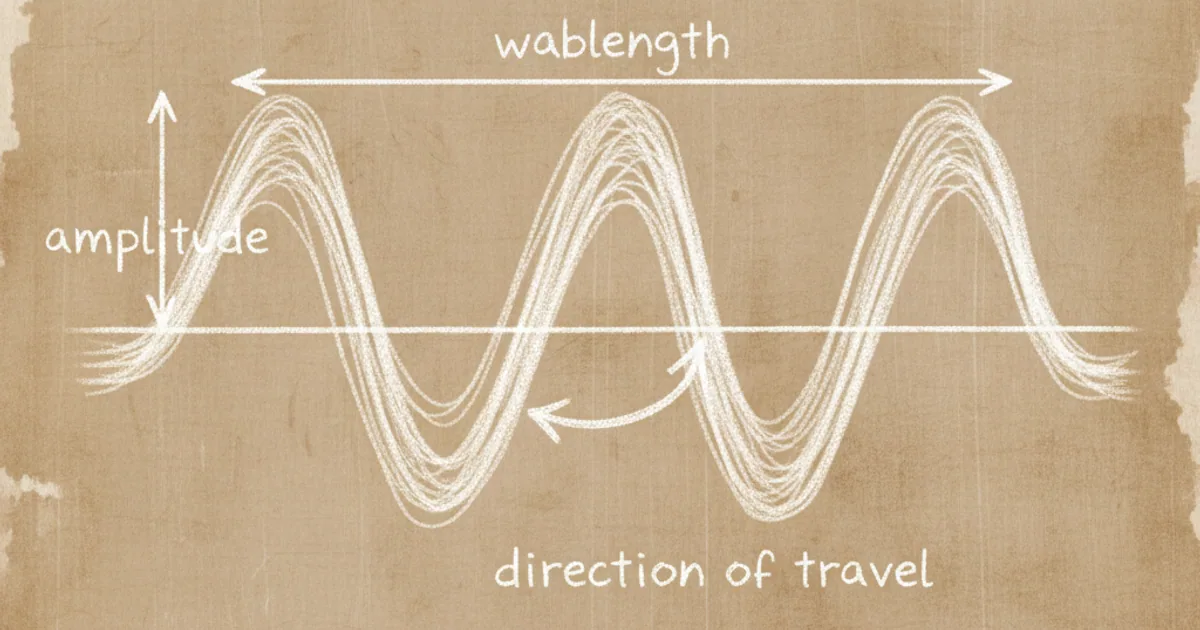
Light, Sound, and Waves
Why the sky is blue, why an ambulance changes pitch as it passes, why a straw looks bent in water — wave physics is hiding in plain sight.
Take me to the Light, Sound, and Waves hubSelected articles
- The Doppler Effect — Why Sirens Change Pitch as They Pass
- What Is a Wave? The Universal Pattern Behind Light, Sound, and Water
- Why a Straw Looks Bent in Water — Refraction Made Simple
- Why Sunsets Are Red — The Same Physics That Makes the Sky Blue
- Why Is the Sky Blue? The Real Reason, Without Hand-Waving
-

Earth Systems
Climate, oceans, plates, and the carbon cycle — the planet is a network of slow machines that move heat, water, and rock.
Take me to the Earth Systems hubSelected articles
- Earth Systems Overview — How the Planet Actually Works
- Plate Tectonics Explained — Why Continents Move and Mountains Form
- The Carbon Cycle — How Earth Moves Carbon Between Rock, Air, and Life
- The Greenhouse Effect Explained — Why Earth Isn't Frozen
- Why the Ocean Has Currents — Wind, Heat, Salt, and the Earth's Spin
-
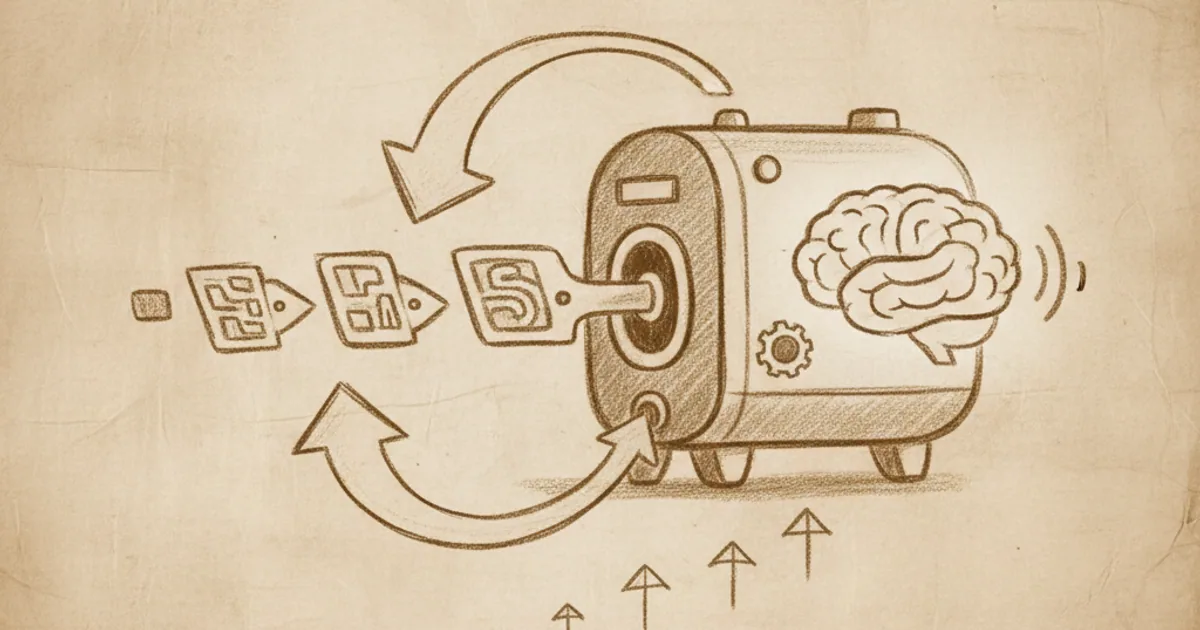
AI, Decoded
How modern AI systems actually work — neural networks, embeddings, transformers, and why language models still hallucinate.
Take me to the AI, Decoded hubSelected articles
- Transformers Explained Simply — The Architecture Behind GPT and Claude
- What Are Embeddings? Words and Concepts as Numbers
- What Is a Neural Network? Layers of Multiplications, Mostly
- What Is Machine Learning? The Idea That Powers Modern AI
- Why LLMs Hallucinate — Confident Nonsense Is a Feature, Not a Bug
-
Space and the Cosmos
Stars, black holes, the Big Bang, the seasons — the universe explained from intuition up, not equations down.
Take me to the Space and the Cosmos hubSelected articles
-
Chemistry, Made Simple
Atoms, bonds, acids, colours — how the matter around you actually works at the molecular level, in plain English.
Take me to the Chemistry, Made Simple hubSelected articles
- Atoms and Molecules Explained — The Building Blocks, in Plain English
- How Acids and Bases Work — Hydrogen Ions Doing All the Work
- What Makes Gold Yellow? — A Wedding Ring Tells You About Relativity
- Why Things Have Colour — Which Wavelengths Get Absorbed and Why
- Why Water Is Chemically Weird — A Tiny Molecule That Breaks Most Rules
-
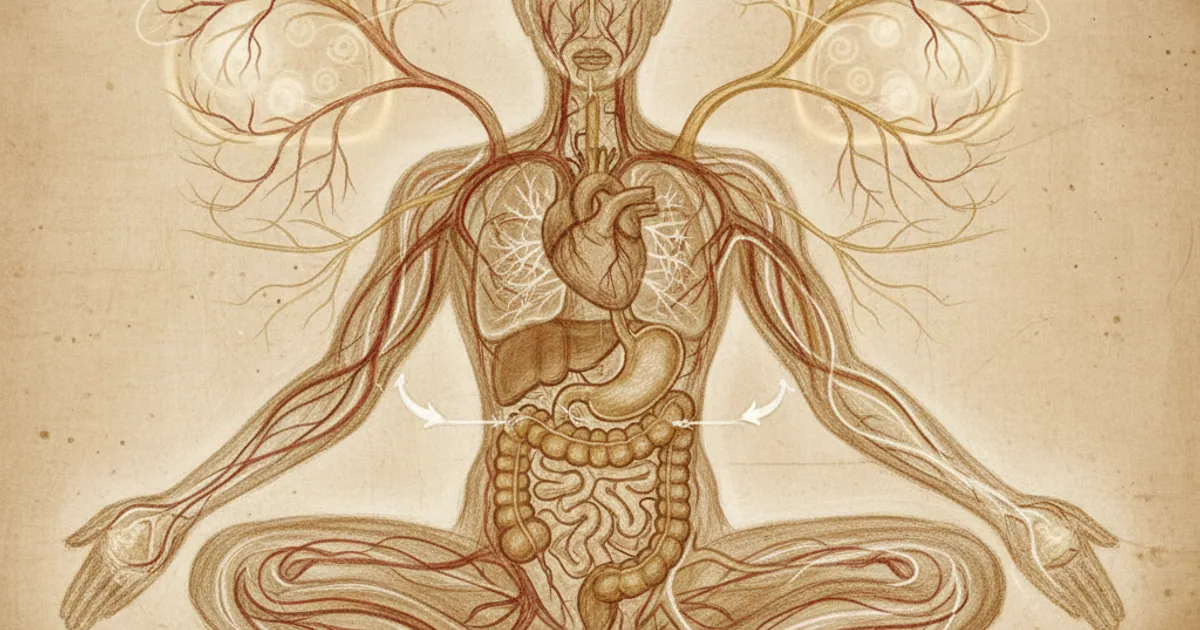
Body & Health Basics
Blood, breathing, the gut, fever — what your body is actually doing under the hood, and why the standard advice does (or doesn't) follow.
Take me to the Body & Health Basics hubSelected articles
- How Your Body Actually Works — A System of Specialised Subsystems
- The Gut Microbiome Explained — Trillions of Roommates and What They Do
- What Blood Actually Does — Five Jobs at Once, Nonstop
- Why Fever Helps — Your Body Cranking the Heat on Purpose
- Why We Breathe — Oxygen for Cells, CO₂ Out, and Pressure Sensing
-
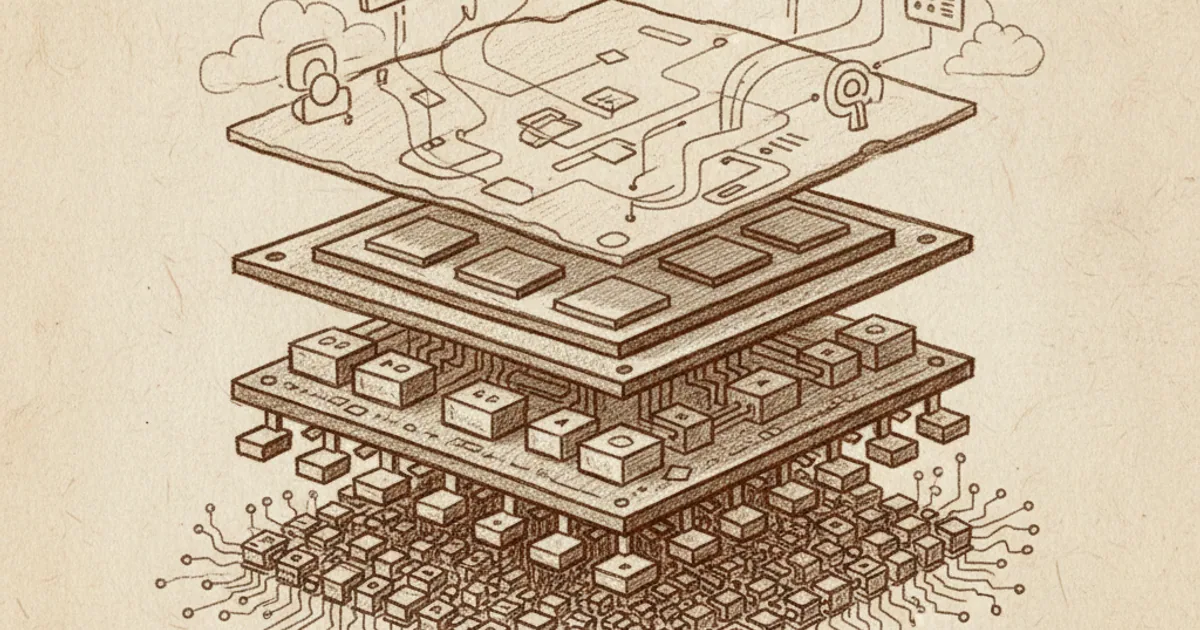
How Computers Actually Work
Bits, algorithms, the internet, encryption — the machinery beneath every app and website, explained without the jargon.
Take me to the How Computers Actually Work hub -
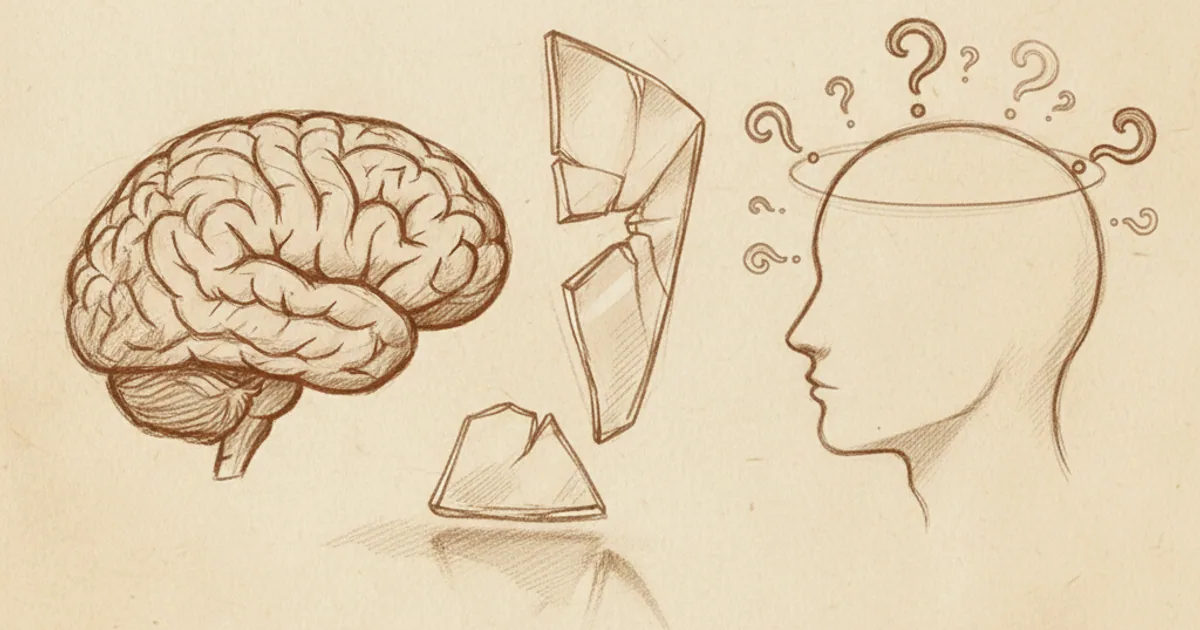
Common Misconceptions
Things you've heard your whole life that turn out to be wrong — and what the science actually shows.
Take me to the Common Misconceptions hubSelected articles
- Common Misconceptions Overview — Things You've Heard That Are Wrong
- Glass Is Not a Slow-Flowing Liquid — Old Cathedral Windows Aren't Sagging
- The Left-Brain / Right-Brain Myth — A Useful Story That Isn't True
- The 5-Second Rule — Bacteria Don't Wait 5 Seconds
- The '10% of Our Brain' Myth — Probably 100% Wrong
-

Evolution and Deep Time
How life on Earth has changed over billions of years — and how we know. Natural selection, fossils, and the weird limbs we inherited.
Take me to the Evolution and Deep Time hub -
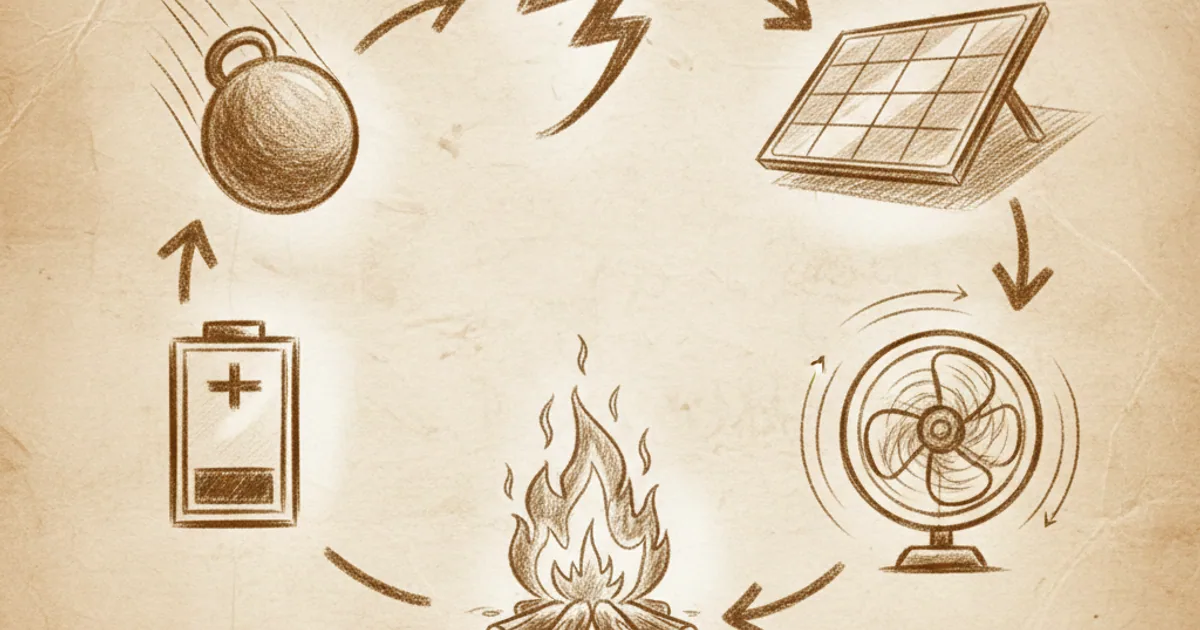
Energy, Explained
Where energy comes from, how we move it around, and why it's never really created or destroyed. Solar, nuclear, batteries, fossil fuels — the physics under the headlines.
Take me to the Energy, Explained hubSelected articles
-
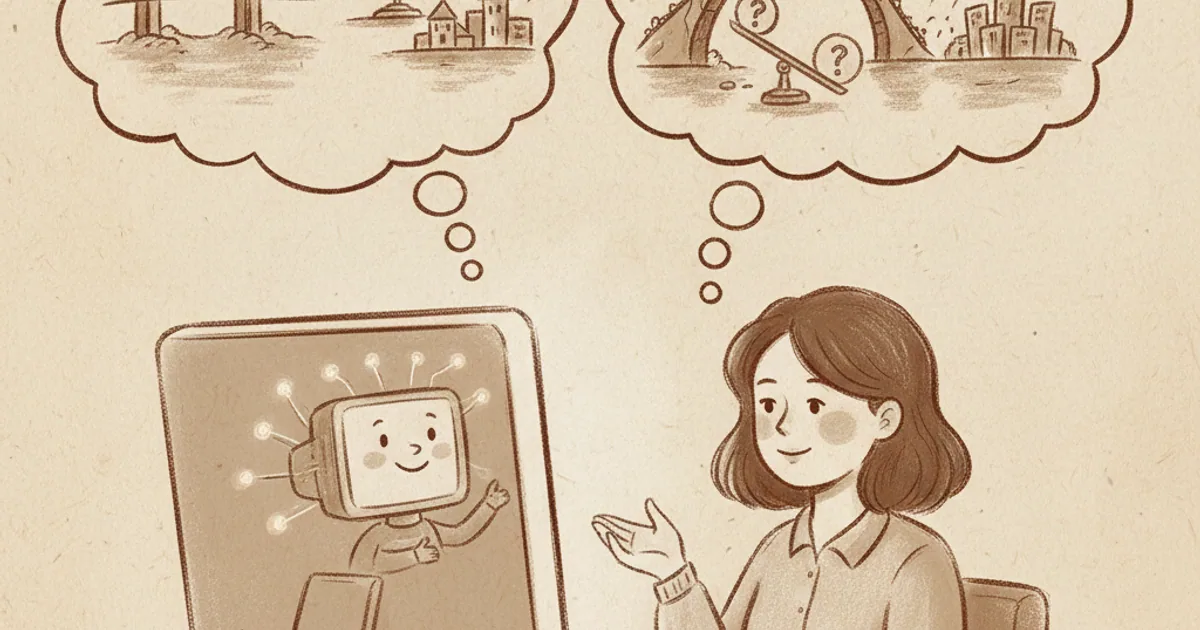
Living With AI
How to use AI tools well, spot what they get wrong, and know when to trust them. The civics of working with a tool that occasionally invents things confidently.
Take me to the Living With AI hub -
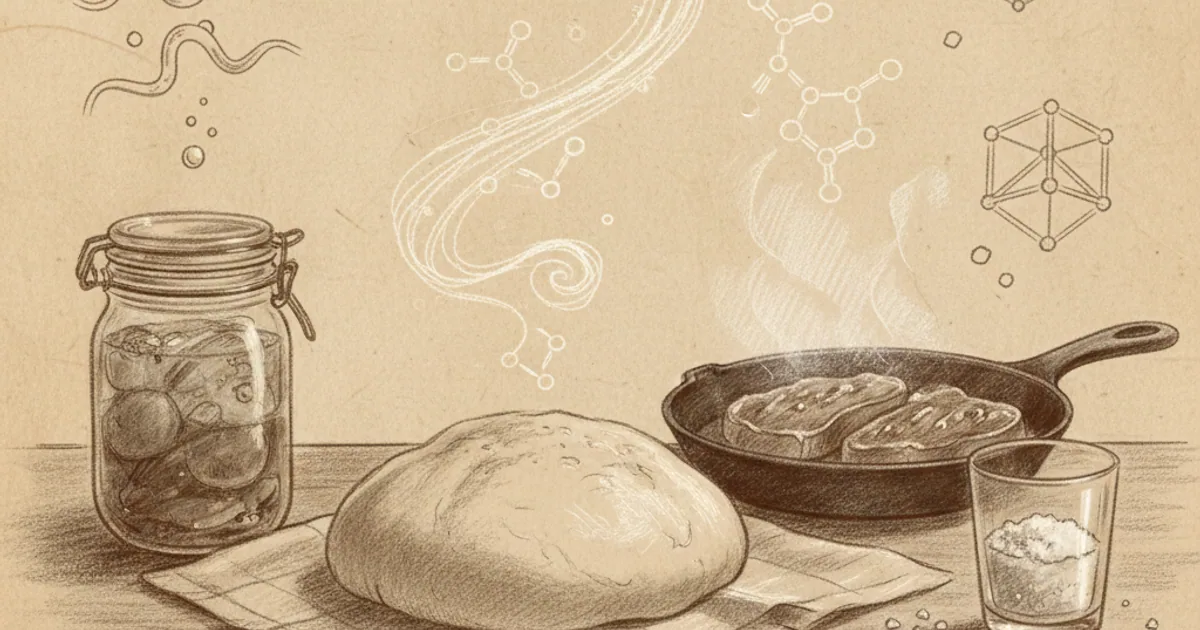
Cooking Like a Chemist
Everything in your kitchen is chemistry. Browning, rising, salting, fermenting, gluten — once you see the reactions, recipes start to make sense as physics rather than rules.
Take me to the Cooking Like a Chemist hub -
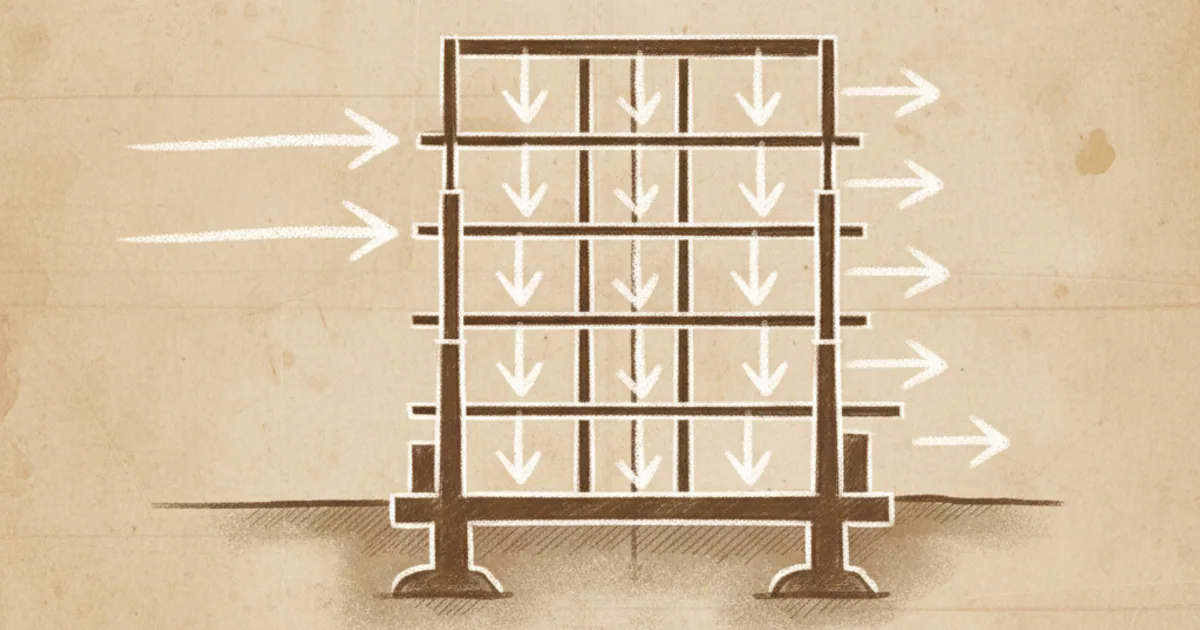
Built to Stand
How the structures around you actually hold themselves up. Concrete, steel, bridges, earthquake design — the engineering hiding in plain sight in every city.
Take me to the Built to Stand hubSelected articles
- How Bridges Actually Work — Beams, Arches, Trusses, Cables
- How Buildings Stay Up — Forces, Materials, and Smart Geometry
- How Buildings Survive Earthquakes — Designing for Sideways Shaking
- Why Concrete Is Everywhere — Cheap, Strong, Mouldable, Carbon-Heavy
- Why Steel Beats Iron — A Pinch of Carbon Changes Everything
-
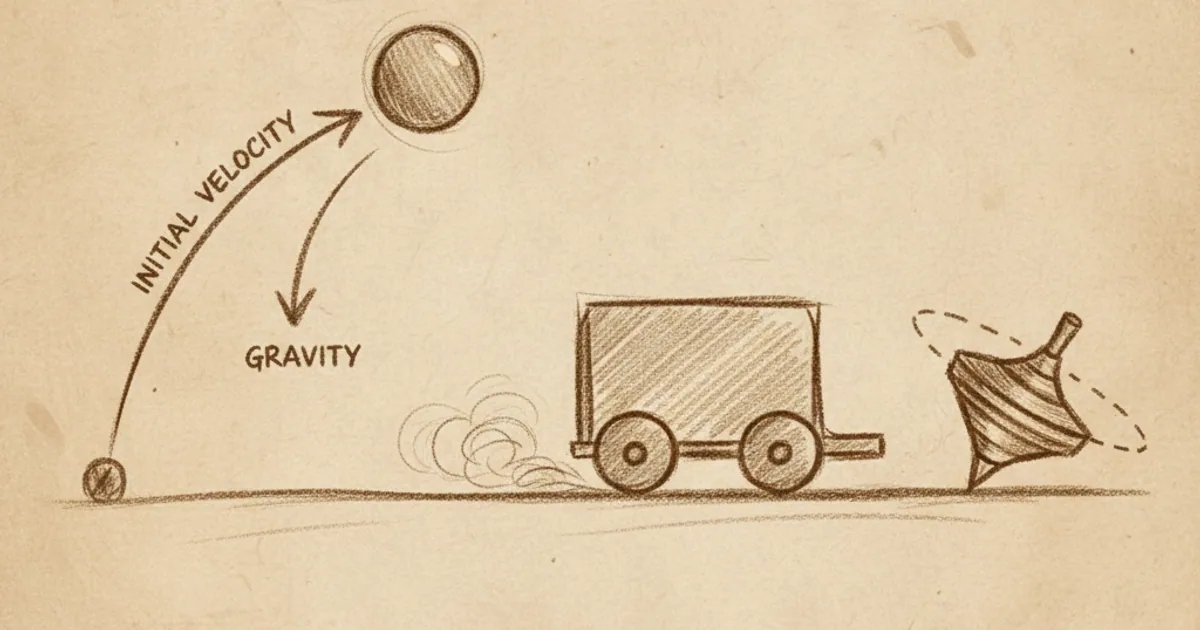
Forces and Motion
Classical mechanics in plain English. Newton's laws, what momentum actually is, why friction matters more than people think, and why spinning things behave so strangely.
Take me to the Forces and Motion hubSelected articles
- How Forces and Motion Actually Work — Classical Mechanics in Plain English
- How Gyroscopes Resist Tipping — The Surprising Physics of Spinning Things
- What Momentum Really Is — The Conserved Quantity That Runs Collisions
- What Newton's Laws Actually Say — Three Sentences That Run the World
- Why Bicycles Stay Up — Steering, Geometry, and a Bit of Gyroscope
-
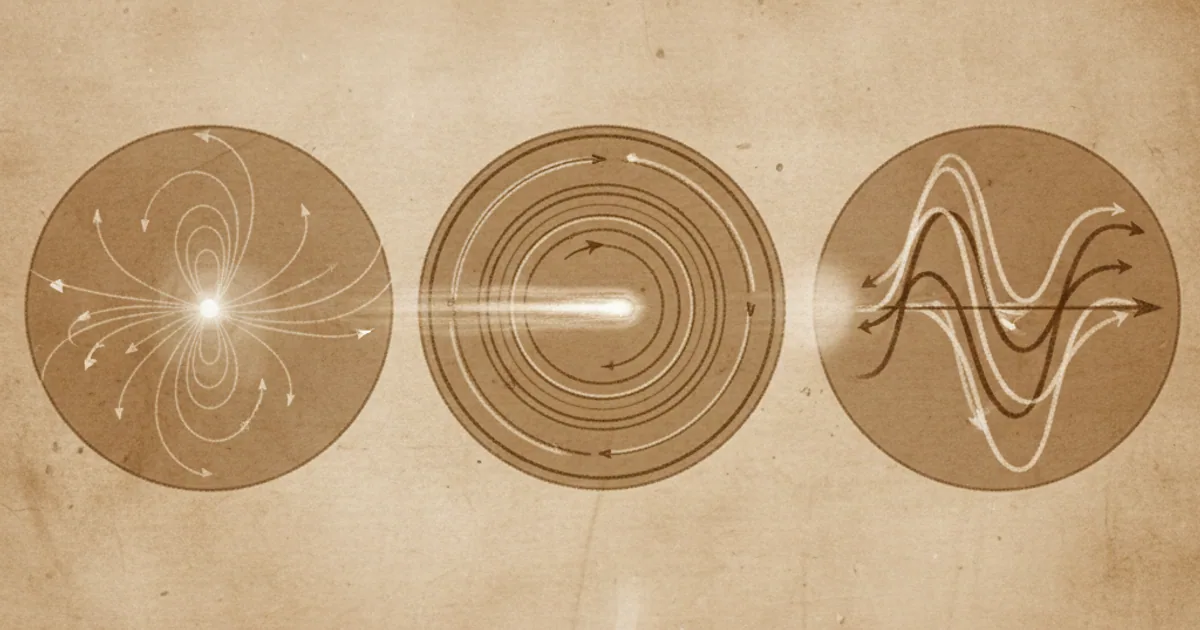
Electromagnetism, Explained
Electricity and magnetism are two sides of the same phenomenon. From the charge moving through a wire to the radio waves carrying your phone call — it's all one field doing different jobs.
Take me to the Electromagnetism, Explained hubSelected articles
- How Electric Motors Work — Magnets, Coils, and a Twisty Force
- How Electromagnetism Actually Works — One Force Doing Many Jobs
- How Magnets Really Work — Electrons Lining Up the Same Way
- What Electricity Actually Is — Charges, Currents, and What Voltage Means
- What Electromagnetic Waves Actually Are — Light, Radio, and Everything In Between
-
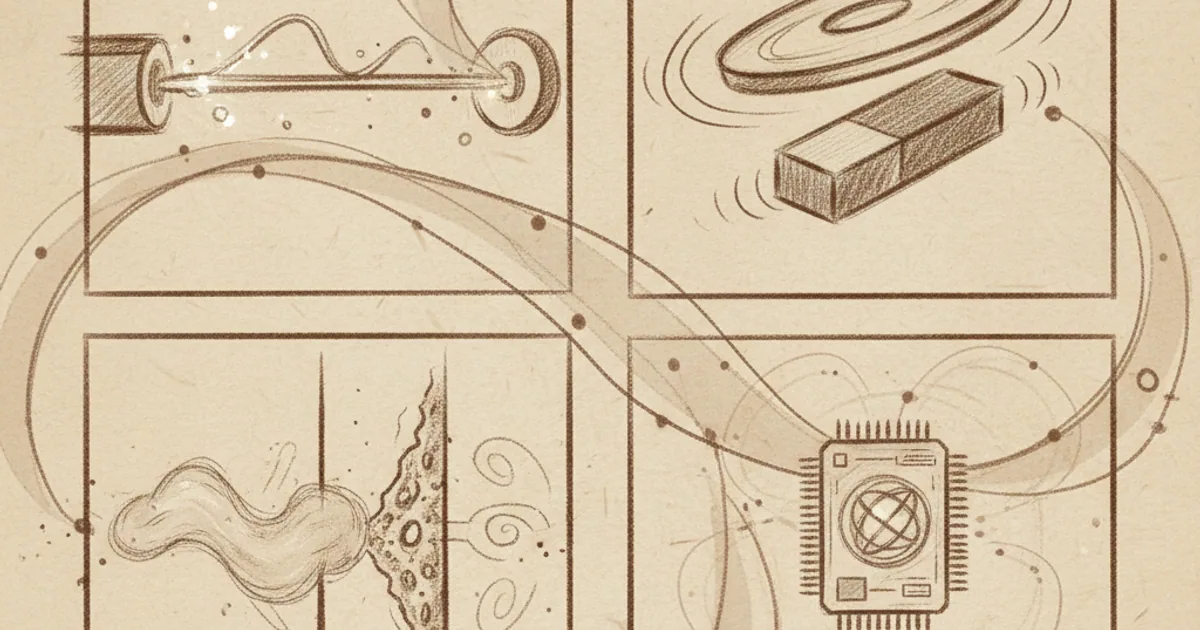
Quantum in the Real World
Quantum mechanics isn't only thought experiments. It runs the lasers in your reader, the tunneling in your flash memory, the superconducting magnets in MRI machines, and the next generation of computers. The strangest physics, doing useful jobs.
Take me to the Quantum in the Real World hubSelected articles
- How Lasers Actually Work — Stimulated Emission and Marching Photons
- How Quantum Effects Show Up in Real Life — Lasers, Tunneling, Superconductors, and More
- How Superconductors Work — Electrons Pairing Up and Flowing Forever
- Quantum Tunneling Explained — Walls That Aren't Really Walls
- What Quantum Computing Actually Is — Qubits, Entanglement, and What It Can and Can't Do
-
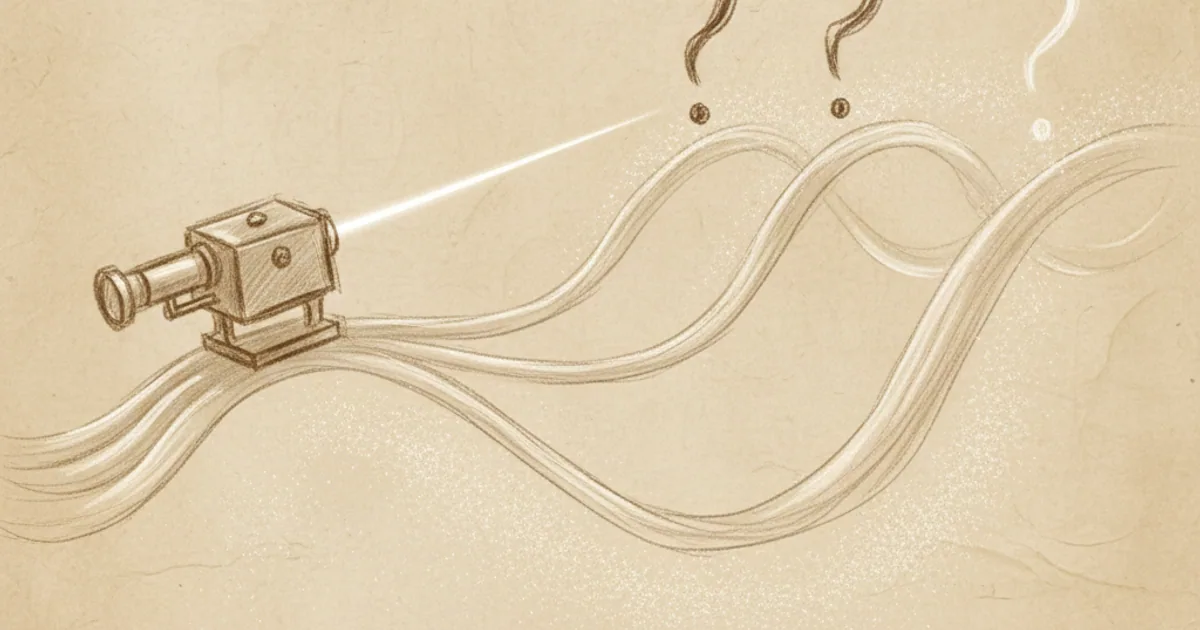
Quantum Weirdness Unpacked
What does it actually mean for a particle to be in superposition? What happens when we 'look'? Why don't cats appear half-alive? The deeper conceptual layer of quantum mechanics — measurement, decoherence, Bell's theorem, and the many-worlds question.
Take me to the Quantum Weirdness Unpacked hubSelected articles
- Bell's Theorem Explained — The Proof That Quantum Weirdness Is Real
- Many-Worlds vs Copenhagen — Two Ways to Read Quantum Mechanics
- The Deeper Strangeness of Quantum Mechanics — Beyond 'Particles Can Be in Two Places'
- The Measurement Problem Explained — What Happens When We 'Look'
- What Decoherence Actually Is — Why Cats Don't Look Half-Alive
-
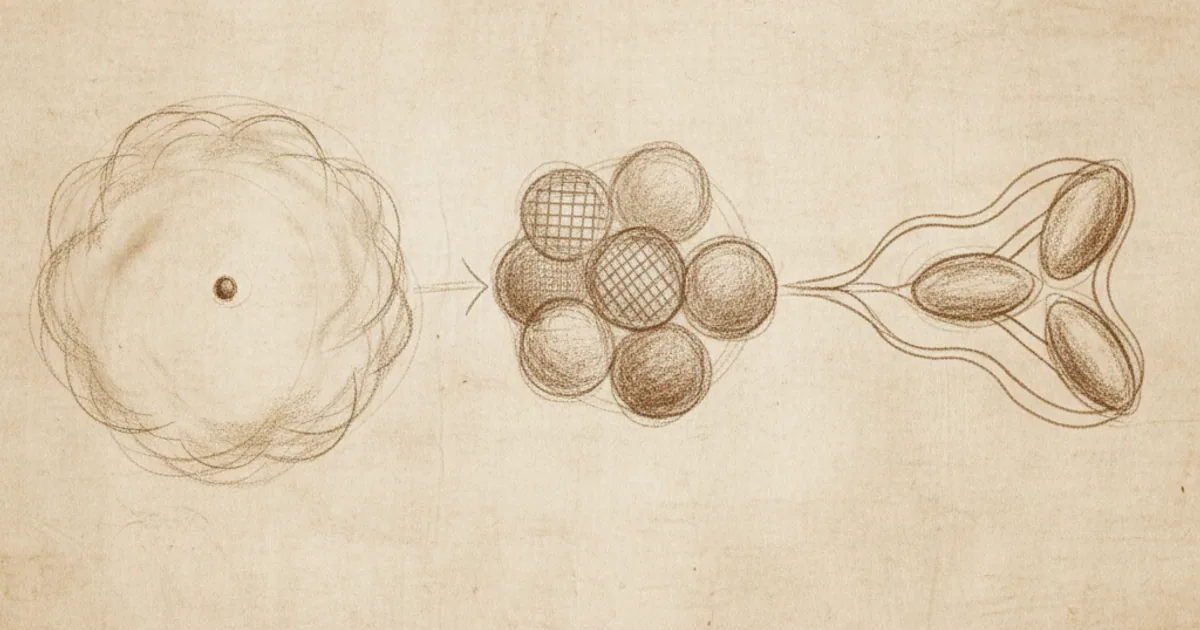
The Subatomic World
Below the chemistry of atoms is a whole layer of more fundamental particles — protons, neutrons, electrons, then quarks, the Higgs boson, antimatter, neutrinos. What's actually down there, and how do we know?
Take me to the The Subatomic World hubSelected articles
- What Antimatter Actually Is — The Mirror Image of Ordinary Matter
- What Particle Accelerators Do — How We Look Inside the Subatomic World
- What Quarks Really Are — The Particles Inside the Particles
- What the Higgs Boson Actually Does — Mass from a Field That Fills Space
- What's Actually Inside an Atom — Below the Chemistry
-
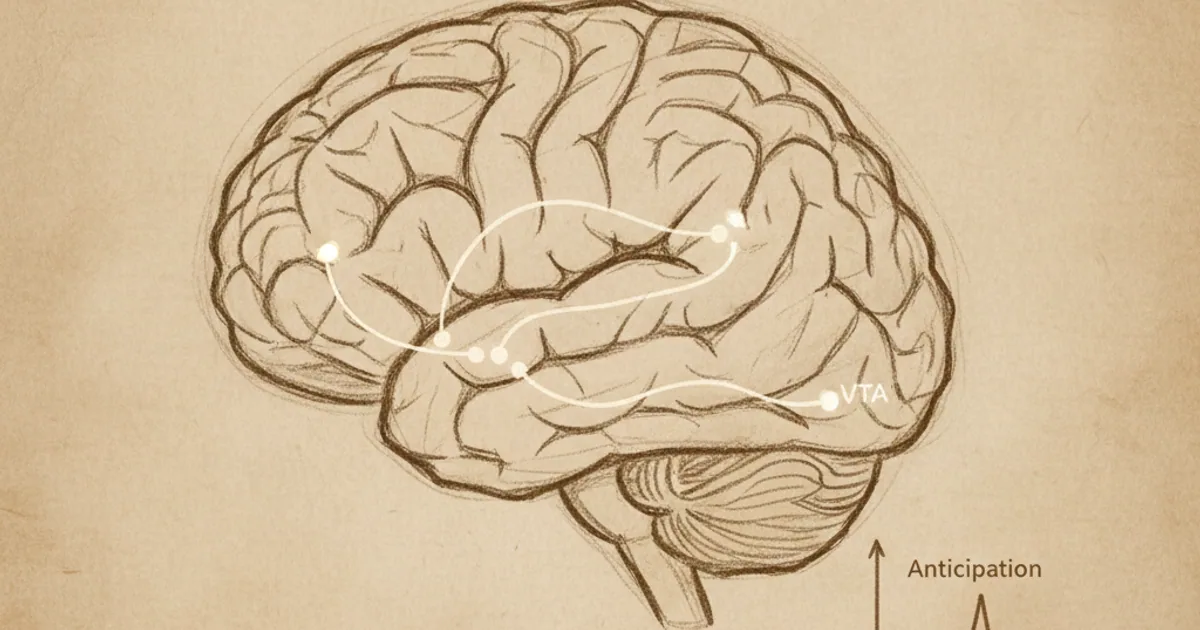
Dopamine and the Modern Attention Trap
Why social media hijacks your brain, why doomscrolling leaves you worse off, and why slower kinds of satisfaction — learning, mastery, flow — feel different from spike-and-crash. The neuroscience under the modern attention problem.
Take me to the Dopamine and the Modern Attention Trap hubSelected articles
- How Learning Builds Long-Term Satisfaction — Slow Reward, High Baseline
- How the Dopamine System Actually Works — Anticipation, Not Pleasure
- How to Rebuild Your Attention — Practical Steps Beyond Willpower
- Why Doomscrolling Feels Bad Afterward — The Spike-Crash Cycle
- Why Social Media Hijacks Your Brain — Variable Rewards on Tap
-
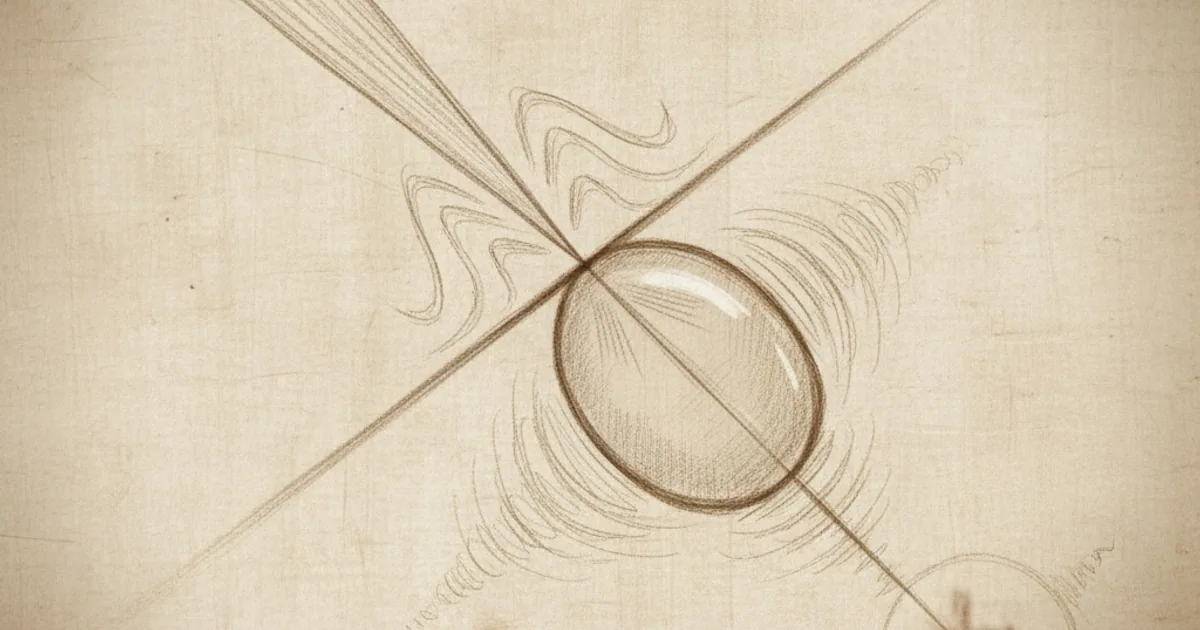
Optics, Explained
How light actually behaves when it meets matter and instruments. Refraction, lenses, microscopes, telescopes, and rainbows — the physics that shaped how we see and what we can see.
Take me to the Optics, Explained hubSelected articles
-
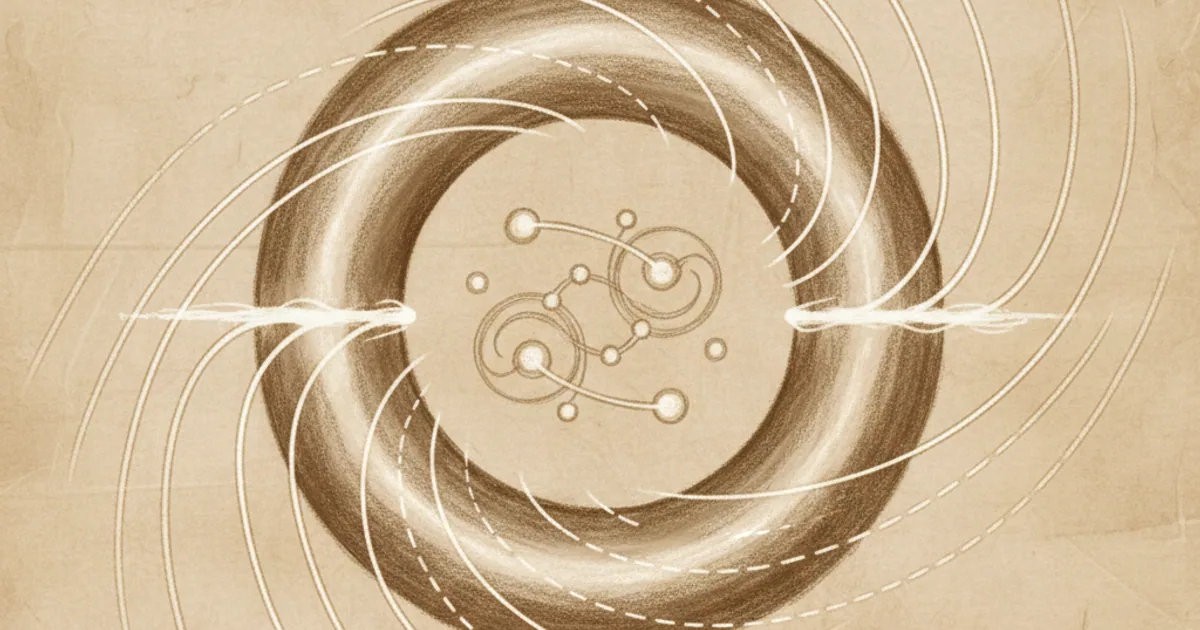
Superconductivity Up Close
Below a critical temperature, certain materials lose all electrical resistance and behave as macroscopic quantum systems. The deeper layer: Cooper pairs, the Meissner effect, the cuprate puzzle, and the practical magic of Josephson junctions.
Take me to the Superconductivity Up Close hubSelected articles
- Cooper Pairs Explained — How Electrons That Repel Each Other Pair Up
- Josephson Junctions and SQUIDs — Macroscopic Quantum Tunneling
- The Meissner Effect and Magnetic Levitation — How Superconductors Push Magnets Away
- What Is Superconductivity, Really? — A Macroscopic Quantum State
- Why High-Temperature Superconductors Are Still Mysterious
-
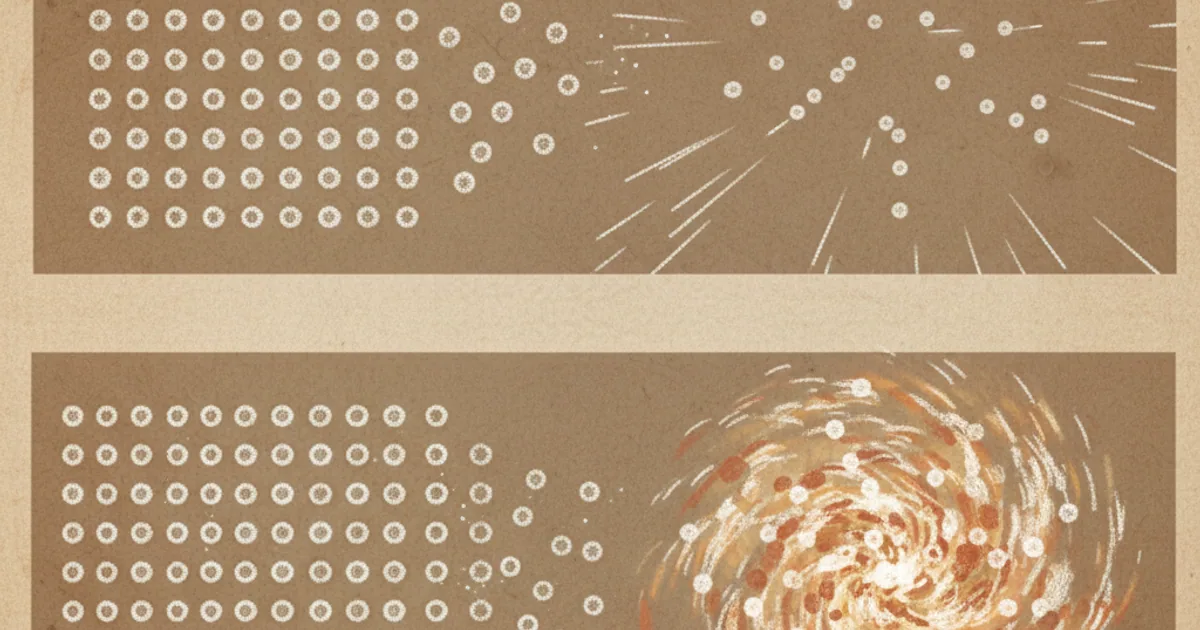
Materials & Matter
Why stuff behaves the way it does. The states of matter, why metals carry heat and current, what makes a diamond the hardest thing you'll touch, and why rubber snaps back — the physics hiding inside everyday materials.
Take me to the Materials & Matter hub -

Flight & Fluids
How things move through air and water. Why a heavy plane stays up, why a steel ship floats, how a rocket pushes on nothing, and why a helium balloon rises — buoyancy, lift, and thrust explained without the equations.
Take me to the Flight & Fluids hub -
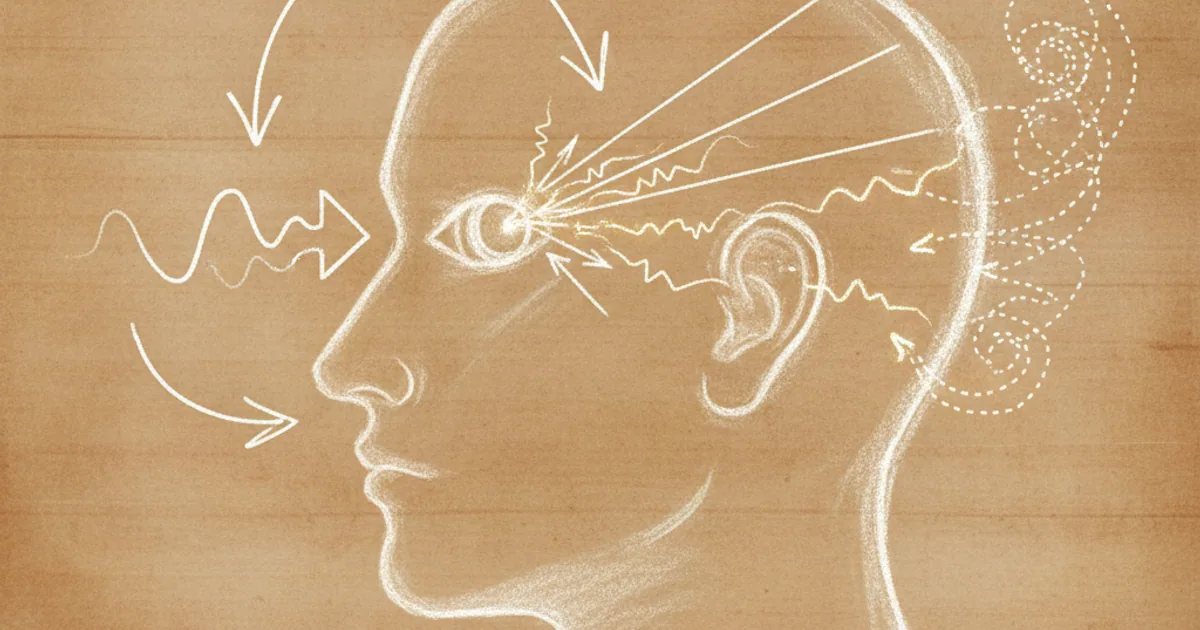
How Your Senses Work
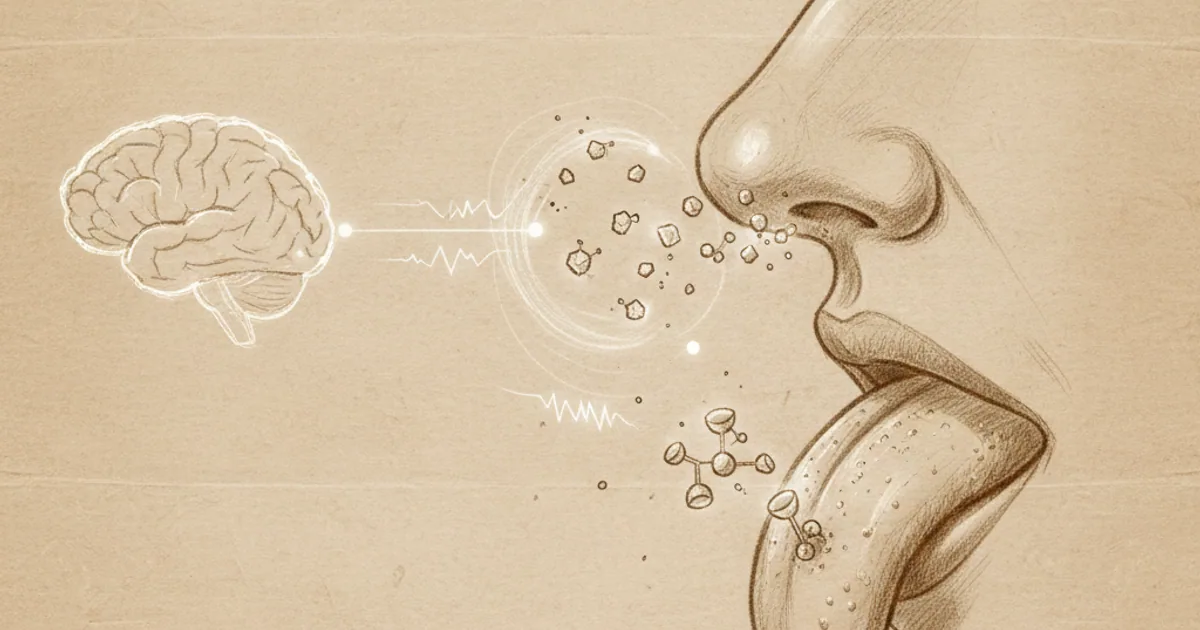
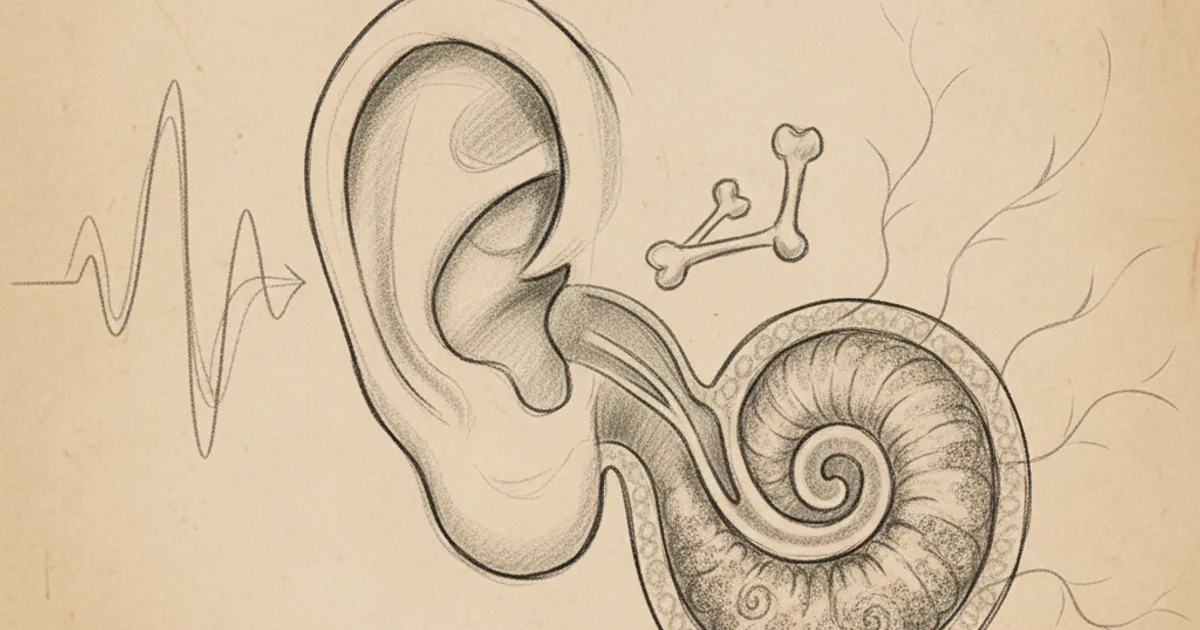
How your body turns the world into signals your brain can read. Light into sight, vibrations into sound, and molecules into smell and taste — the elegant machinery behind seeing, hearing, and tasting, explained in plain terms.
Take me to the How Your Senses Work hub -

Genetics & DNA
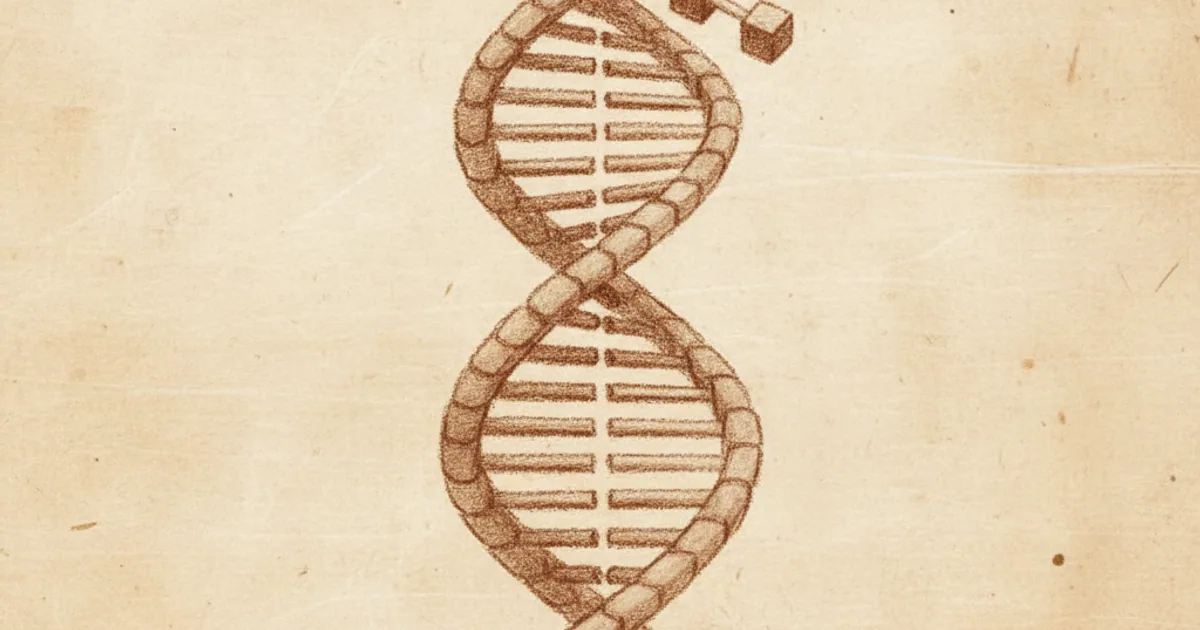
The instruction book inside every cell. What a gene actually is, how DNA stores information, why you look like your parents, and what a mutation really does — heredity explained from the molecule up, without the jargon.
Take me to the Genetics & DNA hub